

Missing a work deadline. Worrying about finances. Dropping your smartphone on the pavement. Experiencing anxiety comes in plenty of forms, and regardless of what triggers it, one thing is certain: Its impact on the human body produces very real side effects.
Anxiety has become an unwelcome companion for many in a world where stressors multiply daily. Recent statistics tell a concerning story, with anxiety disorders affecting over 40 million adults in the United States alone. This pervasive condition often leads to various physical and mental ailments, such as emotional distress, physical discomfort, and even a reduced quality of life.
While traditional approaches to anxiety management often involve medications or talk therapy, there’s an increasingly recognized connection between neurologically based chiropractic care and anxiety relief. Surprisingly, this link remains relatively underexplored in mainstream healthcare.
Let’s delve into the profound ways professional chiropractic care can help manage and alleviate anxiety symptoms, shedding light on this promising avenue for mental and emotional well-being.
Chiropractic Care: A Holistic Approach
It’s no secret that anxiety and stress can manifest physically, leading to tense muscles, headaches, and even digestive issues. Taking medication(s) to mask your symptoms is undesirable for many patients, especially long-term. You deserve a real solution.
Holistic chiropractic care focuses on the central nervous system and its intricate relationship with the spine. By addressing misalignments in the spine and optimizing nerve function, chiropractic care helps the body maintain a state of balance, effectively reducing the physical symptoms of anxiety.
Anxiety’s Relationship With the Nervous System
The autonomic nervous system (ANS) plays a pivotal role in the body’s stress response. It consists of two branches: the sympathetic (fight-or-flight) and parasympathetic (rest and digest) nervous systems. Subluxations or spinal misalignments can act as static on the nervous system, preventing the brain from sending calming signals to the rest of the body.
Anxiety often results in an overactive sympathetic response, causing heightened alertness, increased heart rate, and muscle tension. Chronic anxiety often keeps the body in a permanent fight-or-flight state. This overactive sympathetic response can lead to physical exhaustion and heightened sensitivity to stress.
The Vagus Nerve Connection
The vagus nerve is the longest and most complex of the 12 cranial nerves, acting as an information superhighway between the brain and body. It travels from the brainstem to the neck and chest, and reaches deep into the abdomen to connect with nearly every major internal organ. It is also the main component of the parasympathetic nervous system.
The vagus nerve plays a significant role in mood regulation, stress response, and cognitive function. If you have high vagal tone, you can recover more quickly from stress. Low vagal tone is associated with heightened stress reactivity and a reduced ability to cope with stress.
Chiropractors can improve vagal function through adjustments that decompress the nerve and, through spinal realignment, help restore clear communication between the brain and major organs. Regular adjustments may also boost vagal tone.

Spinal Adjustments & Anxiety Reduction
Chiropractic care can help rebalance the ANS by addressing subluxations (misalignments) that may impinge on nerve pathways involved in the stress response. Using precise spinal adjustments to realign the spine, your chiropractor can alleviate nerve interference and restore proper nervous system function.
Chiropractic adjustments help reduce the overstimulation of the sympathetic nervous system, leading to a more balanced response to stressors. The results are promising: Research shows many patients report feeling less anxious and more relaxed after chiropractic sessions, due in part to achieving reduced blood pressure over the course of receiving chiropractic care.
Anxiety in Children and Teenagers: How Chiropractors Can Help
Children and teenagers are at risk of experiencing significant stress; between school, sports, home life, friends, etc., they can easily become overwhelmed by pressure and expectations. Early intervention is crucial because anxiety disorders often begin to develop before the age of 21. Signs of an anxiety disorder in children and teens include stomachaches or behavioral outbursts.
There are also physical stressors, such as “tech neck,” heavy backpacks, playing sports, poor posture, and more, that can interfere with the nervous system. Chiropractic care for children aims to clear the pathways in the nervous system through gentle adjustments, therefore helping your child feel their best, physically and mentally.
The Role of Technology
Chiropractic care has evolved with advancements in technology. Insight Millennium Technology, for instance, allows chiropractors to assess nervous system function with incredible precision.
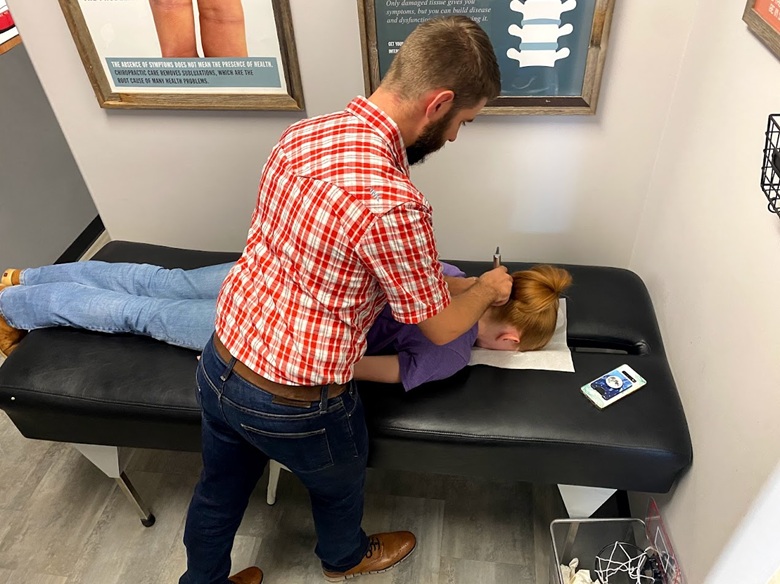
Innovative techniques, such as the Torque Release Technique, enable chiropractors to effectively remove subluxations and restore vital communication pathways within the nervous system.
Chiropractors gain valuable insights into a patient’s stress levels and overall nervous system health by measuring various health analytics such as Heart Rate Variability (HRV), Surface Electromyography (SEMG), and other vital indicators. This data informs treatment plans tailored to each individual, targeting the root causes of anxiety. Let’s take a closer look.
-
Heart Rate Variability (HRV): This acts as a window into the nervous system’s ability to recover from stress. An individual with low HRV may be stuck in a stress response, even when they appear calm on the outside.
-
Surface Electromyography (SEMG): This technology measures the amount of energy used by muscles. High readings can indicate hidden physical tension caused by underlying anxiety.
Holistic Well-Being
Chiropractic care extends beyond spinal adjustments; It’s a holistic approach to improving overall health. Chiropractors often counsel patients on lifestyle modifications, including exercise, nutrition, and stress management techniques.
By addressing the underlying factors contributing to anxiety, chiropractors empower their patients to take control of their mental and emotional well-being.
Start Combatting Anxiety With All-Natural Chiropractic Care
While chiropractic care might not be the first thing that comes to mind when considering anxiety management, its potential to provide relief is gaining recognition. At Credence Chiropractic, we help patients understand the nervous system’s role in anxiety while providing a unique and holistic approach to improving mental and emotional well-being.
Curious to learn more about how all-natural chiropractic care can help you manage and alleviate your symptoms of anxiety? Contact Credence Chiropractic today to schedule a consultation with our team of chiropractic specialists!