How Pediatric Chiropractors Aid With Sensory Processing
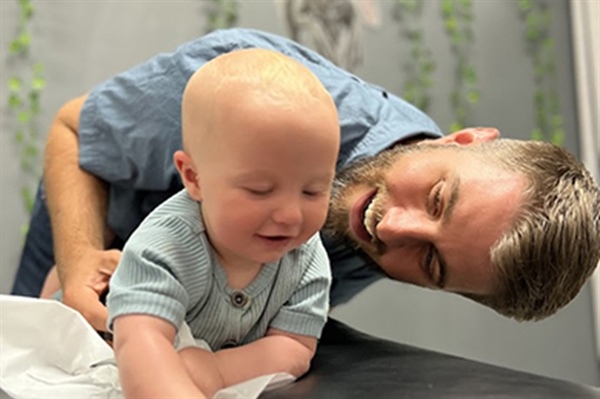
For many parents, raising a child with Sensory Processing Disorder (SPD) can feel overwhelming. Everyday noises, textures, or bright lights may trigger meltdowns, while other children seem under-responsive and constantly seek movement or pressure just to feel “regulated.” These challenges affect not only your child’s comfort but their confidence, behavior, and ability to participate in daily routines.
Many families in Georgetown, Texas, are turning to pediatric chiropractic care as part of a holistic approach to supporting children with sensory processing challenges.
At Credence Chiropractic, our goal is to help your child’s nervous system function at its best so they can thrive.
What Is Sensory Processing Disorder (SPD)?
Sensory Processing Disorder is a neurological condition that affects how the brain receives, organizes, and responds to sensory input. The issue isn’t with the senses themselves—it’s with how the brain interprets those sensations.
Children typically experience SPD in two ways:
1. Over-Sensitivity (Sensory Avoiding)
Children may feel overwhelmed by noise, light, movement, smells, or textures.
Common signs include:
-
Anxiety or meltdowns in overstimulating environments
-
Avoiding touch or certain textures
-
Covering ears or withdrawing from sensory input
2. Under-Sensitivity (Sensory Seeking)
Children may crave more sensory input to feel balanced.
Signs may include:
-
Constant movement, spinning, or crashing into objects
-
Higher pain tolerance
-
Difficulty sitting still or focusing
-
Seeking deep pressure or intense physical activity
How Chiropractic Care Relates to Sensory Processing
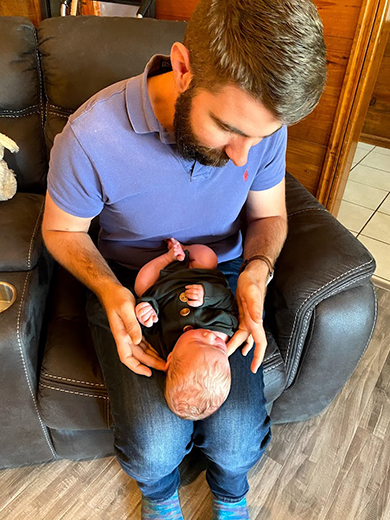
Pediatric chiropractic care focuses on the health and function of the nervous system, which interprets sensory information.
Misalignments in the spine, known as subluxations, may interfere with communication pathways between the body and the brain. These disruptions can occur at birth, during growth spurts, from injuries, or from everyday poor posture.
When communication within the nervous system is not optimal, a child’s sensory processing may be affected.
Gentle, pediatric-specific chiropractic adjustments aim to:
-
Reduce neurological stress
-
Improve nervous system communication
-
Support balanced responses to sensory input
This approach is not a cure for SPD, but many families report improvements in regulation, behavior, and overall well-being when chiropractic care is part of their child’s support plan.
Potential Benefits of Pediatric Chiropractic Care for SPD
By supporting the nervous system, chiropractic care may help children with sensory processing challenges in several ways:
-
Improved sensory integration: Reducing neurological interference may help the brain better organize sensory input.
-
Reduced tension and stress: Gentle adjustments may decrease physical stress associated with sensory overload or anxiety.
-
Enhanced proprioception (body awareness): Better alignment can support coordination, balance, and confidence in movement.
-
More regulated emotional and behavioral responses: Supporting the nervous system can help the body shift from “fight or flight” to a calmer, more regulated state.
Pediatric Chiropractic Care in Georgetown, Texas
Credence Chiropractic is committed to providing gentle, individualized pediatric chiropractic care for families in Georgetown and the surrounding area. Our techniques are designed to support neurological function and help children feel more comfortable, confident, and balanced in their daily lives.
Every child is unique, so every care plan is customized. Whether your child experiences sensory seeking behaviors, sensory avoidance, or a mix of both, we take the time to understand their needs and create a supportive approach.
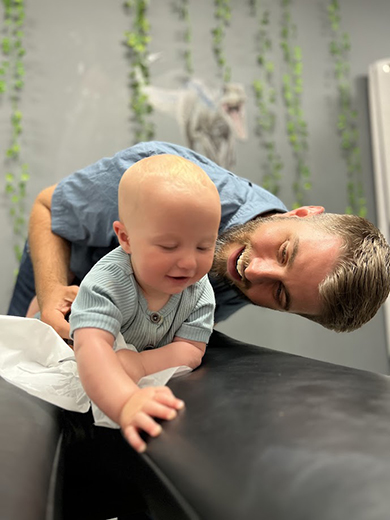
Schedule an Assessment Today
Discover how chiropractic care may help your child feel more regulated and resilient!
📞 Call 512-887-1477
💻 Schedule an assessment online